 Titan Cargo Authority
Oversized and heavy haul
Titan Cargo Authority
Titan reads the permit and keeps the load on the road that paper wrote down. Dispatch, the driver, the escort, the broker, and the shop are on that same move.
Open the desk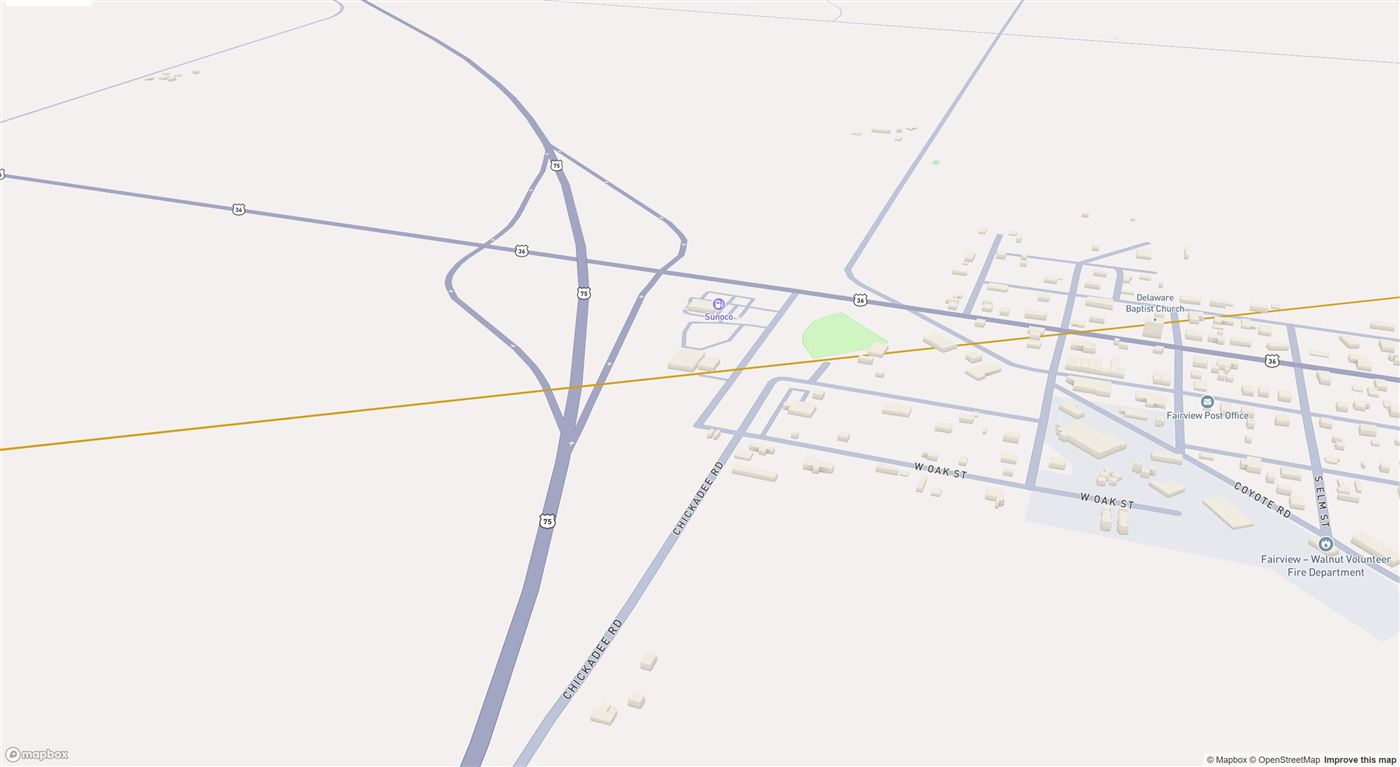
The driver
On route
Leaving the bridge, then back on the permit
Stop
No way around. The load does not go through.
A paper, in drive order
- US-36 west from Fairview
- US-183 north to the Nebraska line
- US-183, US-136, L10E, US-30, NE-14, NE-84, US-81, NE-12
- NE-15 north to the South Dakota line
Checked on that line
- Bridge — checked
- Closures — leave it, then back on the permit
- Construction — checked
- Rail crossing — checked
- Weather — checked
- State rules — checked
What it does.
An oversized or heavy load does not get a new route to the destination. Titan takes the roads in the order the state wrote them and draws that line. A road that does not match the paper is not saved.
This is a planning tool. Routing, permits, escort rules, and the decision to roll still get checked with the authority that owns the road before the truck moves.
- The whole permitThe roads, in drive order, including the notes on the survey. Saving the height and weight does not erase the line.
- One state at a timeA new Kansas paper replaces Kansas. Texas, Oklahoma, and the rest of the trip stay where they were.
- Stay on the paperOversized, heavy, and superload follow the permit. A short leave is only to get around a closure or a bridge, then back on the permit.
- Leave what will not clearA closed road, or a bridge the load would hit, is left. If there is no way around, the line is not saved through it and the driver gets a stop.
How it works.
Every check runs on the permit line at the same time. A layer with nothing on the road is marked checked. A layer that never answers is a stop, not a clear road.
- Read the paperThe permit text and the notes written on it. Roads come out in the order the truck drives them.
- Draw that stretchOnly the new state's piece is spliced in. The line stops where the paper stops.
- Check the lineBridges, closures, construction, rail crossings, weather, traffic, weight, and the state rules, all on that geometry.
- Go around, then rejoinThe detour is short. It has to come back onto the permit. A car route is never treated as a legal truck route.
- Hand it to the driverThe phone follows the saved line. On route, park, or stop. Off the line, the stop wins.
- Survey the poleThe high-pole survey runs only when the load has a permit, and only along that line. The short pole is the load height. The tall pole is six inches over.
What you see.
Dispatch, the driver, and the pole car are looking at one permitted move. A trip that clears is remembered by the height, the width, and the weight that made it.
- The deskPermits, escorts, yard, shop, and DOT in one place. The map shows the saved permit line, with the lanes and the bridge you can zoom into.
- The driverThe same line on the phone. The screen says on route, park, or stop. A closure or a bridge that cannot be left stays red.
- The pole carPins for a low bridge, a closure, construction, a rail hump, weather, and the state rules. The survey does not invent a new route.
- The next loadHeight, width, and weight that already cleared are kept with the trip, so the next one like it starts from a road that worked.
Escorts, brokers, and the shop.
The permit is the move. The pole car, the company that books escorts, and the shop that holds the truck are looking at that load, not a separate job.
Yard and DOT sit on the same site. The yard watches the lot. DOT sees the packet for the truck that is rolling.
Escort
On the line
Pole car assigned to this load
- Same permit line as the truck
- Offers and who is available
- Papers current before they roll
Broker
The board
Post free. Pay to find.
- Escort company roster on the desk
- Outside carriers and brokers
- A truck is found when you need one
Shop
Work order
The truck on this load
- Open a job on the power unit
- Notes stay on that work order
- Fleet sits next to the trip